Monday, 16 March 2009

Europe for Non-EU Citizens

Updated 8 May 2015

Index

Money Matters
Europe is expensive there's no doubt about it. Elliot_spencer from Dave's ESL Cafe says that "it's hard to live on €1200 in Italy and you often lose a month or two of work during the summer." Someone else said that they spend 500 on rent, 100 on utilities, 250 on food, 80 on transport, and taxes are often around 40%.  Many Europeans prefer the Middle East or Asia over Europe. Europe - not a living wage to be found.With that being said when there's a will there's a way and most people go to Europe for the culture rather than the money. Nonetheless, there are some employers that pay well. I've put together a list of the best paying ones in Cyprus, France, Georgia, Latvia, Poland, Romania, Russia, Slovakia, Spain, Turkey, UK, and Ukraine.

Europe: EU, Schengan, and more
It's easier to get visas for the new EU than the old EU. Check the official EU expansion website. Any EU country is possible if you have a sponsor such as an employer or spouse. Studying, starting a business, or retiring is also an option. These discussions have more info: the EU for Americans, getting a job in the EU without an EU passport, and a North American teaching in Europe.

Old EU Member States
  • Austria
  • Belgium
  • Denmark
  • Finland
  • France
  • Germany
  • Greece
  • Ireland
  • Italy
  • Luxembourg
  • Netherlands
  • Portugal
  • Spain
  • Sweden
  • United Kingdom
New EU Member States
  • Bulgaria
  • Cyprus
  • Czech Republic
  • Estonia
  • Hungary
  • Latvia
  • Lithuania
  • Malta
  • Poland
  • Romania
  • Slovakia
More Countries to Join the EU
  • Albania
  • Bosnia and Herzegovina
  • Croatia
  • Macedonia
  • Montenegro
  • Serbia (Kosovo)
  • Turkey
If you are in one of these countries now try to get permanent residency or citizenship. This might help you if these countries join the EU. However, it may take up to 10 years after joining the EU for citizens from Croatia, the Former Yugoslav Republic of Macedonia, Turkey, Albania, Bosnia and Herzegovina, Kosovo, Montenegro, and Serbia to be able to work in the other EU countries. Please see the official EU expansion website for more information.

Non-EU Countries
Iceland, Liechtenstein, Norway, and Switzerland have all elected not to be part of the EU. However, some countries have agreements that let their citizens live in EU member states.

Schengen Countries
There are 25 Schengen countries. Bulgaria, and Cyprus, Liechtenstein^, and Romania are scheduled to join shortly. You can find information more information in free travel in Schengen countries.
  • Austria
  • Belgium
  • Czech Republic
  • Denmark
  • Estonia
  • Finland
  • France (Monaco*,**, ^)
  • Germany
  • Greece
  • Hungary
  • Iceland**
  • Italy (San Marino^ and Vatican City^)
  • Latvia
  • Lithuania
  • Luxembourg
  • Malta
  • Netherlands
  • Norway**
  • Poland
  • Portugal
  • Slovakia
  • Slovenia
  • Spain (and Andorra**,^, ^^)
  • Sweden
  • Switzerland** (and Liechenstein*,^)
* Monaco's visa requirements are the same as France.  Liechenstein's visa requirements are the same as Switzerland.
**Not European Union members.
^ Andorra, Liechenstein, Monaco, San Marino, and Vatican City are microstates. San Marino and Vatican City are de facto EU members. Andorra and Monaco aren't EU members; Liechenstein is a future member. Of these only Monaco can issue Schengen visas.
^^Not  a Schengen member.

Time in the Schengen Area
According to the Schengen Agreement, if you're not from an EU country or don't have a resident visa you can only stay 90 days out of 180 in the Schengen countries. Overstaying, living or working without a visa, could result in fines, arrest, deportation and/or being banned from entering Schengen countries in the future. If you're looking to travel, ITTP has lots of tips in his post that he wrote.

Getting Citizenship
There are 4 common ways to get citizenship: birth, marriage / civil partnerships, ancestry, and permanent residency. You can compare citizenship requirements through Canada Metropolis. You may also have to language, cultural, or history tests. In addition, some countries require you to give up your original citizenship. Here's info for France and Greece.
  • Birth: At least one of your parents will have to be a citizen of the country at the time of your birth.
  • Marriage (civil union, traditional / same-sex /  common law marriage): Many countries (such as Andorra, Austria, Belgium, Czech Republic, Denmark, Finland, France, Germany, Greenland, Hungary, Iceland, Ireland, Luxembourg, the Netherlands, Norway, Portugal, Slovenia, Spain, Sweden, Switzerland, and the UK) accept common law marriages, same-sex marriage, and/or same-sex unions. In Madrid Magazine has information about the pareja de hecho law which gives you a 5 year resident visa and after that you can apply for permanent residency.  Italy and France do not require residence. France requires you know French and to be married for 5 years if the French spouse is not registered with the French embassy or 4 years if the French spouse is registered. Italy requires those who live outside of Italy to be married for 3 years if you don't have children or 1.5 years if you do. If you live in Italy, the requirements are 2 years of marriage without children and 1 year of marriage with children. In Spain, it's only 1 year of marriage and residency. The UK requires you to live in the UK for 3 years.
  • Ancestry: Some places like Italy may go back to your great-grandparents (look for "Cittadinanza italiana per discendenza / Italian Citizenship through ancestors (iure sanguinis))". The UK has a five year ancestry visa and here's more info. Just because one of your parents was born in an EU country doesn't mean that it's easy to get citizenship. Here's my quest for Romanian citizenship.
  • Permanent Residency: After getting permanent residency you can get citizenship. It may take up to 10 years to get permanent residency though. You can compare citizenship requirements through Google Answers and this link. Studies can also help you get citizenship. France cuts the 5 year residency requirement to 2 years if you are working towards a degree in France.
Living Legally in the EU
There are many ways to live legally in the EU. Try also looking at teaching in eastern Europe, teaching in Europe, and UWEC.
  • Illegally being there: If you can prove that you have lived and worked (even if it's illegal) in Spain for at least 2 years then you can get empadronamiento. It's part of the arraigo laboral. Otherwise known as the outer limits law, it's only for illegals and you'll get residency. You can find more info at Anglo Info.
  • Marriage (traditional, civil union, same-sex, and common law): If you're in a marriage, (traditional, civil union, same-sex, or common law) with an EU citizen or resident you can get residency. Many countries, such as Andorra, Austria, Belgium, Czech Republic, Denmark, Finland, France (PACS), Germany, Greenland, Hungary, Iceland, Ireland, Luxembourg, the Netherlands, Norway, Portugal, Slovenia, Spain, Sweden, Switzerland, and the UK accept common law marriages, same-sex marriage, and/or same-sex unions.  In Madrid Magazine has info about the pareja de hecho law which gives you a 5 year resident visa and after that you can apply for permanent residency
  • Study: Learning the language isn't as hard as you may think it is. France cuts the 5 year residency requirement down to 2 years if you are working towards a degree in France. CSIET information about studying abroad. Some countries will let you work part time while studying at a university. Italy for example, will allow you to work up to 20 hours a week. See this thread for info about studying in Italy. Universities in Europe are often cheap and may even be free, however, don't forget that you'll still have to pay for rent and food. In France, tuition for public institutions is less than €1000 a year. The Czech Republic,  Iceland, and some Scandanavian countries, such as Finland, Iceland, and Norway have free tuiton. Here's a BBC article about Germany's offers free tuition. Here's information about Norway: free tuition, living in Norway, permanent residency, scholarships, and work / residency permits. There are also lots of scholarships out there, such as EURAMUS (geared towards health studies).
  • Work: See the section below "Working Legally in the EU". 
Working Legally in the EU
Check out EURES. The skilled worker permit (also known as the Blue Card) has started. Some places like New Employment, i-to-i, CIEE, and World Teach all offer help with visas. Some countries, such as Holland and Belgium have straight forward methods to getting work visas. If you find an employer who will will a letter confirming you you'll be hired and you'll get a one year resident visa.
  • Au Pair: More information can be found in the article on working holiday visas.
  • Licensed Teachers: Qualified teacher might be able to work at an international schoolSpecialised schools such as Summer Hill School are also an option. See teaching exchanges for more info.
  • Find a Niche: If you have a high-demand career then you have a good chance of being sent to Europe. Technical, science, and engineering jobs are always in demand. Being sent abroad is one of the easiest ways to get into Europe.
  • Internships: More information can be found in the article on working holiday visas.
  • Get Sent Abroad: Work for a company that has branches in the EU.
  • Investor / Entrepreneur Visas: An investor is someone who invests a large amount of money. An entrepreneur is someone who starts a company or business. You might want to check out My Second Passport and My 2nd Passport for more info.
    • Cyprus allows permanent residency if you buy property or properties worth a total of at least €300,000.
    • Bulgaria requires about €500,000 for their investor visa. Invest Bulgaria Agency (a government run site) and Invest Bulgaria have information about residence and citizenship. You might want to hire a company such as Arton Capital to help with paperwork. 
    • France offers a skills and talents card and anyone could get it if their project is accepted. Or you could invest €300,000 and hire 2 French citizens.  
    • The Netherlands has an agreement with the US called the Dutch American Friendship Treaty. You have to create a business plan, have health insurance, invest at least €4,500 and practice a "free profession" like law or medicine. Here's more information about the programme in detail
    • Portugal has a golden visa which gives you permanent residency if you do one of two things: buy property or properties worth a total of at least €500,000 or start a company and hire ten employees.  
    • Spain also has a golden visa. You need to buy property or properties worth a total of at least €500,000 and you'll get permanent residency.
    • Switzerland offers an investor visa for those from non-EU countries. Those from EU countries can get a self-employment visa or an independent visa.  
    • The United Kingdom has an investor (£1 and £2 million ) and entrepreneur visa (£200,000).
  • Teaching at Camps: Some of them list you as a volunteer and you get a weekly stipend thus eliminating the need for a work visa.  You will often be teaching English or performing in an English Theatre.  See summer and winter camps for more info.
  • Teaching English:  See teaching exchanges for more info. Some TEFL courses will let you work in their institute after you pass their TEFL course. You can find jobs in TEFL.com, Euro Jobs, and Dave's ESL Cafe. Saxoncourt, SOL, IH, Bell, Berlitz, and ILS have been known to help with visas. Berlitz will help with visas allowing you to work in Bulgaria, Germany, Hungary, Latvia, Norway, Poland, and Slovenia. Basically you will have to go there for an interview and will only be given a freelance position.
  • Volunteer: Many volunteer agencies provide you with a visa and a stipend. Check out: CUSO, Geovisions, My Pro World, Peace Corps, Volunteers for Peace, VSO, and World Teach. CSIET has good info.
  • Work Online: If you're willing to move around you could work online. You'd have to leave the Schengen Area every 90 days. Try looking at teaching online and making money online.
  • Working Holiday Visas: Read the article on working holiday visas. Expect to earn about $700 to $1500 in Europe.
Country Specific Information
Published in . . .

Parts of this article have been published in the Turkish University Press.


Disclaimer:

Sunday, 15 March 2009

Summer and Winter Camps

Updated 26 October 2012

Camp jobs are a good way to earn some extra cash during break. Just be aware that it's not as easy as it may seem: you’ll be with the kids all day long. You might start at 9am and finish at 9pm. Peace Boat is another option. It offers a chance to teach on board as well as visit a number of countries.

Where To Get TEFL Camp Jobs
Where you can work often depends on your experience, availability and nationality. Working holiday visas and Europe for non-EU passport holders has lots of good info. There are lots of camp jobs in North America, Europe and Asia, in particular Canada, China, France, Ireland, Italy, Japan, Korea, Poland, Spain, Switzerland, Taiwan, the UK, and the USA.

Pay and Benefits for TEFL Camp Jobs
The majority of camps take place during the summer and are usually 4 to 12 weeks in length. Winter camps last from 2 to 6 weeks Benefits vary from country to country and camp to camp, however, you should at least get free housing, meals, a weekly stipend, and one day off per week. Airfare, calling cards, visas and work permits might also be arranged for you.

Some places will get you a work visa, others won't. If they won't they'll have you come on a tourist visa and you will probably have to have a return or onward flight. Keep in mind that it is always illegal to work on a tourist visa. However, you'll probably be only working for a few weeks or a couple months and earning too little to raise any flags.

Finding a TEFL Camp Job
If you're in country you'll have a better chance of getting a job there since you'll have more contacts than those overseas. Second, you probably already have a visa and work permit. Third, it's usually cheaper to hire locally since the employer doesn't have to pay airfare. Usually places start advertising around mid-March for summer camps jobs (June to August) and around October for winter camp positions (January – February). Try checking the sites below.

Country Specific Camps


Disclaimer:

Saturday, 28 February 2009

FAQs for Teaching in Latin America

Updated 3 December 2014

Latin America (orthographic projection).svg
From Wikipedia
General Information about Latin America
There's something about Latin America that draws people in. There's a mix of old and new. It's exotic and not many people travel there.
Many institutes hire people on tourist visa and won't help with work visas. Keep in mind that it is always illegal to work on a tourist visa. That being said, it's very common to do so in Latin America.

You can find free lists of schools in 19 countries around Latin America at the LA job list. I've also created a list of the top paying employers to work for in Chile, Colombia, Costa Rica, Ecuador, Guatemala, Mexico, and Peru.

If you're a licensed teacher, consider teaching at an international school. More and more places want you to have a TEFL cert. There are a number of online options available. CCELT is a 100-hour online TEFL certificate.The University of Toronto has 100, 120, and 150 hour options.

Free and low-cost volunteer opportunities can be found at volunteer South America. Try to make an effort to learn the language. Spanish and Portuguese aren't that hard to learn.

Index
Writers Needed
If you've lived in these countries and would like to help out please email me at naturegirl321@yahoo.com
  • Dominican Republic
  • El Salvador
  • Nicaragua
  • Paraguay
  • Puerto Rico
Argentina
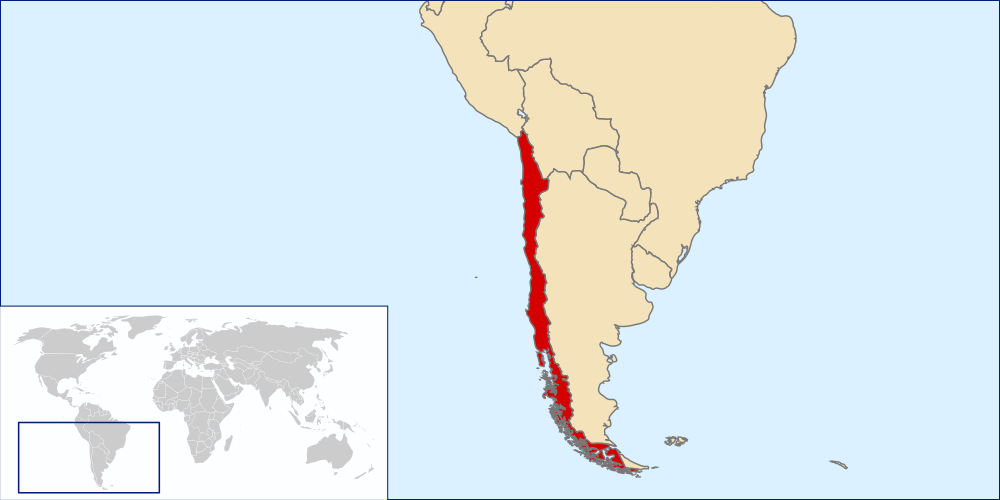
From globeimages.net

28 February 2009
Lola723 from Dave's ESL Cafe

Many teachers head to Buenos Aires and Cordoba. A good place to find jobs is zonajobs.com.ar. The majority of institutes will want you to be a native speaker with a TEFL cert and a BA degree. Split shifts aren't common, but random sporadic hours are. It's not easy to arrange a job beforehand and I doubt any place would hire a  person sight-unseen. I wouldn't accept anything less than $20 pesos an hour. Some places pay up to $30. If you teach private lessons you can make between $25-45 pesos an hour.
Tourist visas are good for 90 days. They're extendable and from what I've heard, some people extend them indefinitely. Most TEFL teachers work on a tourist visa. In order to get a work visa you should bring your birth certificate and criminal background check from the last 5 yrs. Most TEFL institutes will not get you a visa.

I've only worked in the capital, which is a very cosmopolitan and modern city. You can find anything you need here if you're willing to pay for it. If you are very, VERY frugal you can get by on a little over $2,000 pesos a month (but that's cutting it VERY close). My furnished studio (great location and neighborhood) was $950 pesos a month. However, in most cases you need a "guarantor" (like a cosigner who lives within the province of BsAs (Buenos Aires)) to sponsor you. Without that it's difficult to rent a place if you don't live in a pension or pay with American dollars.
Bolivia
Bolivia
Feb 19 2009
gambasbo@hotmail.com. Facebook: gambasbo@yahoo.co.uk .
In Bolivia since 1999
Mike

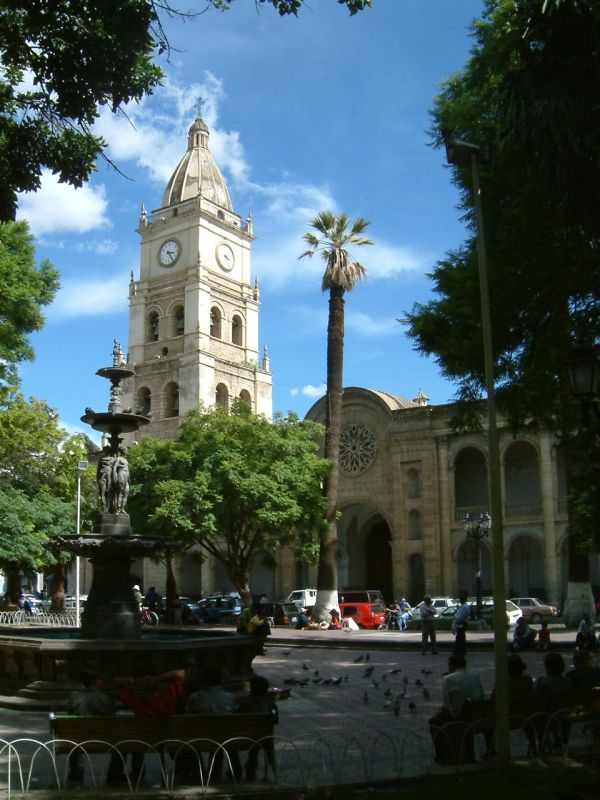
Santa Cruz, La Paz and Cochabamba are popular cities to teach English in.  Bolivia is more flexible than other Latin American countries as you don't have to be a native speaker, nor have a TEFL cert nor a BA degree in order to get a job.  It's not easy to arrange a job beforehand so most people look when they arrive.

I’m different than many teachers. I get a pension from the UK so got a permanent visa because I had guaranteed income. I teach for free because I like to help students. I bought a very nice 2 bedroom apartment here a few years ago for $43,000 US dollars. A single person could probably live quite well in Cochabamba for about $300 to $350 a month.

Brazil
21 April 2009

I lived in Brazil for a total of 2 years between 1988-2006.
Claude

Finding work teaching is quite easy and you can expect to make between 15 and 25 reais a hour or so. If you teach privates you can ask between 30 and 50 reais a hour, but you need to speak Portuguese well to make it easier to teach. The cost of living is quite high in big cities (Rio and Sao Paolo) and as a single non-partier person I needed at least $1,000 US dollars per month to live well which meant having a nice flat in a safe neighborhood and eating out from time to time. Bring some savings. The best thing to do is to teach privates.


As a foreigner you can only stay 180 days out of every year, then you have to leave and wait another 180 days in order to come back. The way to solve that problem (besides getting married) is to enroll in Portuguese classes and get a student visa in Montevideo or Buenos Aires with a sponsoring letter, a police check and proof of funds. Tourist visas are non extendable and you can't just border hop and re-enter the country. It's officially illegal to work on a tourist visa but I have never heard of anyone getting arrested or deported. Brazilian authorities seem not to care too much if you keep a low-profile and are discreet.

I would avoid Sao Paolo which is a monstrous unsafe city. Try Rio. It's so beautiful, although there is more competition and it's a bit expensive to rent a place. Some parts like Botafogo, Larenjeiras, Flamengo, Santa Teresa are nice and not expensive. Leblon and Ipanema are expensive to live in. Avoid Copacabana at all costs because it's dangerous and touristy. I don't know about the south of Brazil but I have heard only good things about Florianopolis. It's safe, clean, has great beaches and some work. The north-east is very nice but there is almost no work there. Bahia might also be an option (Salvador) since it's cheap to live and there are jobs for teachers.

Brazil is a wonderful country and its people are the friendliest on earth. If you want to be happy and successful, learn the language as fast as possible. The economy is doing well and Brazilian will help you as foreigners are really welcomed.

Chile
17 November 2011
Saltshaker from Dave's ESL Cafe

Updated 17 October 2012: If you're interested in starting a business, look into this post from Overseas Exile. Chile will give you $50,000, a one year work visa, and business contacts and the right to start a business, provided you fulfill the requirements (one of which is to live in Chile for the first 6 months). I've created a list of the top paying employers to work for in Chile that you should check out.

I didn't actually work in Chile because of the strict work visa requirements. Every institute I looked at required one and so I gave up. Only a couple of institutes pay under the table. It is horrible pay at 2,800 pesos per hour. You can possibly find sponsorship through an institute, but this requires you to stay in country for 1 year. Many of the institutes I talked to said that they were looking for people who already had a work visa. If you have one the pay is significantly better at 7-8,000 pesos per hour. Your best bet is to get sponsored by committing to being there for at least one year and selling this point during your interview. I went to several interviews where things were going fine only to have them come to an abrupt halt once they found out I didn't have a work visa.

Chile has a high cost of living. Santiago is an extremely expensive city to live in. Expect to budget around $1500-2000 dollars per month.I had an apartment in Santiago. I paid 170,000 ($370 U.S.) pesos per month. Other places can be found for around 130,000 per month. I lived in the center of the city, near Parque Santa Lucia. Many gringos prefer to live in Providencia or Las Condes which are higher class neighborhoods.

Chilean society is extremely conservative and divided. They are very well-dressed and formal. The subway is very clean, expensive and efficient. There are many protests between the students and police, where tear gas is sprayed out of armored vehicles. Santiago is one of the most polluted cities in the world. A visible haze hangs over the city, and is often so thick that you can't see 100 meters across the street. This is true especially in the wintertime. I used to say that it would be a lovely city surrounded by the Andes, quite idyllic (just like the postcards), if only you could see them! You can't!
Santiago is a fun city to visit but a terrible city to live in. I met many people who also said this. If you work 'en negro,' or on the sly, you can renew your visa every 3 months by taking a 7 hour bus journey over the snow capped Andes to Mendoza, Argentina. Stay there for a couple days, visit the vineyards, and then return.

Colombia
20 February 2009
pinback from Dave's ESL Cafe

In Bogota I've seen offers from 10k to 25k per hour. Here's a list of the better paying employers to work for in I've also created a list of the top paying employers to work for in Colombia. According to the embassy website you need a degree in order to get a work visa, but a CELTA or TEFL cert might pass unless the officer at the consulate is being picky. Most places also require you to be a native speaker. Some of the better jobs are at bilingual schools and universities. One of my former employers hired teachers with little or no experience or training. Other schools I've investigated have much higher standards. If you have IB experience, it might help, or if you can teach subjects other than English.

Tourist visas are typically 30 or 60 days, but 90 days is possible. It's at the discretion of the immigration officer. You can ask for 90 days, but you probably won't get it.You can get an extension at a DAS office in major cities. Not sure what the situation is in smaller cities/towns. In Bogota, the DAS office is on Calle 100 # 11B-27 (Edificio Platinum) I believe your extension will be for as long as the original visa. You can stay in country for up to 180 days per calendar year. If you work on a tourist visa you'll probably be working for cash without a contract and without any benefits.

If you enter the country on a tourist visa and want to get a work visa you will have to leave the country. Many go to Venezuela (there's a consulate in San Antonio just across the border from Cucuta) Ecuador, or Panama. For a work visa you should check with Colombian embassy, but you will definitely need a contract from your employer. They will also need a document proving they are a legit business and aCertificado de Proporcionalidad and they need this to hire a foreigner. You may also need to have copies of your university degree and a police report. These documents should be apostilled and translated into Spanish. You can find more FAQ about Colombia on Dave's.

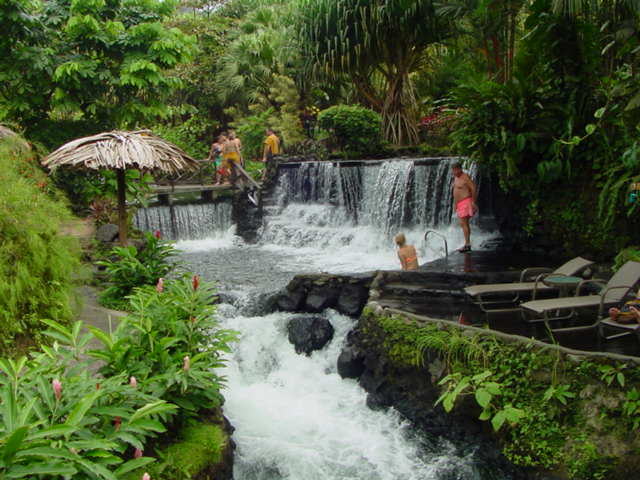
Costa Rica
14 September 2010
CostaRicaforLife from Dave's ESL Cafe
July 2009 to July 2010. Lived in Rohrmoser and worked in Heredia.

The average pay is $6-8 for institutes and $10-25 for private classes. Here's a list of the better paying employers in I've also created a list of the top paying employers to work for in Costa Rica. Craigslist and La Nacion are the best places to look for work. San Jose is the most popular city to teach English in. There are very few paid teaching jobs outside of San Jose. It's not necessary to be a native speaker but it is necessary to have a TEFL cert and a BA degree. Split shifts are common. Some of the best places to work at are Politecnico Internacional, Universidad Latina, and Maximo Nivel. Good bilingual schools can be found in Escazu. Most jobs are secured upon arrival.


Computer, electronics, tampons, and prescription medications are expensive so bring them from home.  A decent apartment will cost about $200-500. You should expect to budget about $700 a month.

Tourist visas are given for 90 days. They aren't extendable. You must leave the country for 72 hours. Border hops can easily by done into Panama or Nicaragua. It's possible to work on a tourist visa and most people do this even though it's illegal. It's rare for institutes to get you a work visa though some universities can do it. Some places will initiate the process after you have been working for them for 6 months or a year.If you want a work visa you'll need your criminal record (stamped by the Costa Rican embassy or consulate), copy of birth certificate, copy of passport.

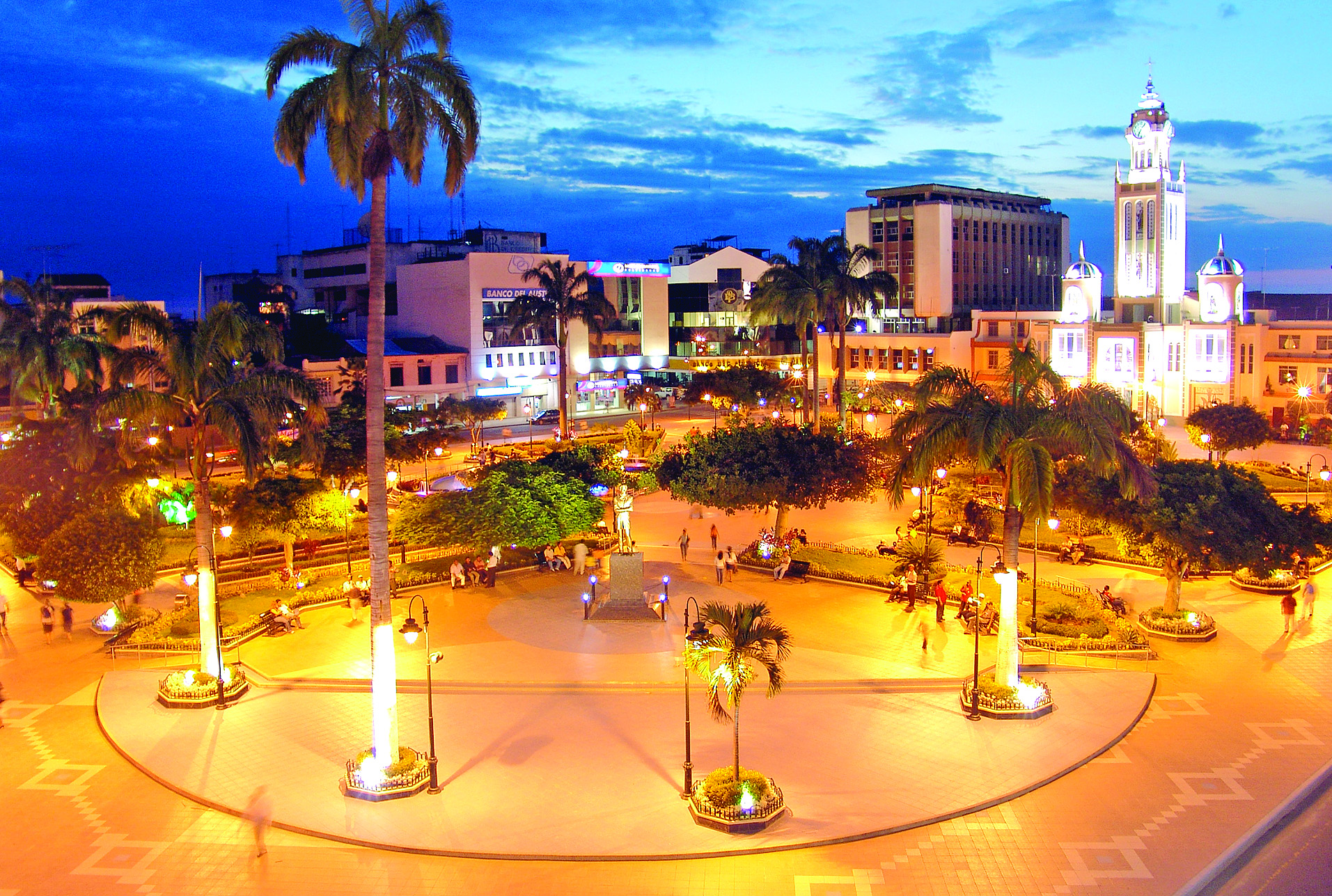
Ecuador
28 February 2009, john_n_carolina from Dave's ESL Cafe
EcuadorUpdated 11 March 2009 by a teacher in Loja from Dave's ESL Cafe
Updated 23 July 2011 by just_a_mirage from Dave's ESL Cafe

Original from john_n_carolina
Institutes pay about $5 an hour. $8-$20 an hour is the norm for private lessons. Here's a list of the better paying employers in Ecuador. An apartment will cost about $150-200. You should budget about $400 a month. Avoid Quito if you have asthma.

Important visa changes have been made. Read about them in this post. Tourist visas are given for 90 days and they're not extendable. You can teach on a tourist visa, but I wouldn't recommend it. Most institutes won't help with visas. Many institutes are insisting that teachers have the 12-IX visa. Southern Cross and EIL Ecuador have been known to help teachers convert their visas to 12-IX (added by a teacher in Quito. 3 January 2011).

Updated from a teacher in Loja.
Loja is a great city. There are virtually no tourists or expats here, although there are plenty in nearby Vilcabamba, a haven for rich expats and pack backers and druggies. In Loja I think someone would find it hard to survive without Spanish. Most of the restaurants don't even have menus, and they assume the clients will know what they have. There are many buses throughout the city for 25 cents, and taxis are $1, although I have had my share of wrangles about the fare.

The city is very ecologically conscious with many parks and open spaces. Lojanos are very proud of their home and describe it as "tranquila." The population is 100,000 or so. Two lovely rivers run parallel across "the heart of the city." There are only two supermarkets that I know of, one with a KFC and the other in a complex with a cinema. There are several wonderful local markets that are open every day, and three markets which are open once a week.

As far as I can tell, there are three English language schools: George Washington, Canadian House, and Fine Tuned English. The first two pay $4 an hour and the last $5. Most of the locals I have spoken with go to Fine Tuned.

Update from just_a_mirage
"The Vice Minister of Security in Ecuador has enacted new rules effective July 20, 2011 that may make it more difficult for foreigners wanting to work here. First, everyone applying for a visa must now submit a police background check with their visa application. Second, companies that want to hire foreign workers have to fork over $25,000 dollars. Also if you are looking to marry an Ecuadorian, you must now be in the country for 12 months prior to the wedding, versus the 75 days previously required."

You can find info about the situation and the 12-IX visa the 12-IX visa. It's pretty easy to get before you enter Ecuador and allows you to work legally for six months, but cannot be renewed. Each embassy has different requirements, some ask for a HIV test and police cert, so check with the embassy or consulate nearest you. While you're working, you can talk to your employer to get a work contract and then later change the 12-IX to a work visa without leaving Ecuador. You are only allowed one 12-IX visa during any 12 month period. You can change to another visa, such as a volunteer, work, or cultural exchange visa. After you get the 12-IX visa you will have to go to the SRI (tax place) with your passport, visa and utility bill in order to get a RUC (which is like a business ID number). With the RUC, you can issue recibos or facturas. TESOL Zone has more information about teaching in Ecuador.

OR

You can apply for a Actos de Comercio 12 IX online. This allows you to work in Ecuador for six months, get your tax number, etc. Then you find an employer who will sponsor you for the regular work visa, which is a two year renewable. ESPOL university and Southern Cross, EIL Ecuador are three employers that have been recommended.


Guatemala
4 September 2010
Antiguated from Dave's ESL Cafe

3 months is given for tourist visas. Here's a list of the better paying employers to work for in I've also created a list of the top paying employers to work for in Guatemala.They're extendable for up to 6 months, but I'm not sure how many times they can be extended. You can border hop to Mexico with no limits on time or number of times. You can work on a tourist visa. Shoes bigger than UK size 9, any small electrical items (usb keys or any modern gadget), and books are expensive. TESOL Zone has more information about teaching in Guatemala.

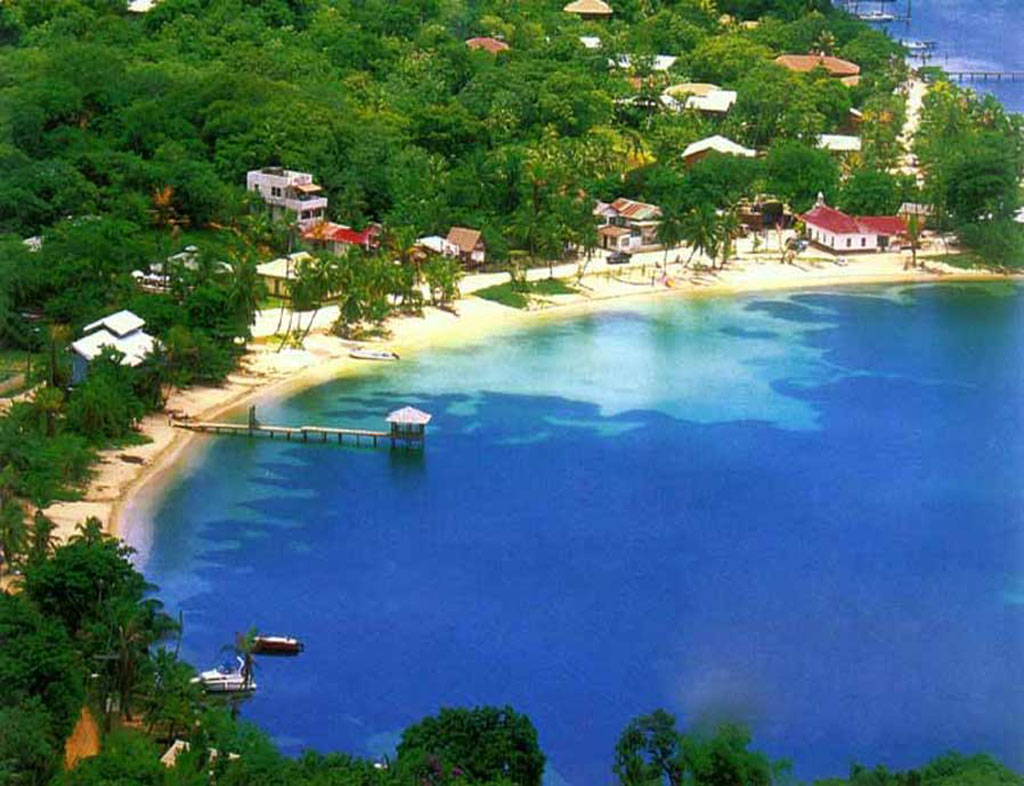
Honduras
4 September 2010
Time in country: School year 2009
Brian1972 from Dave's ESL Cafe

The average pay for small schools is $300usd. If you are lucky, this will include housing. If you have a teaching certificate international schools pay well: $1500usd plus housing and airfare. You can charge about $5 for private lessons. Tourist visas are given for 60 days. You can only get an extention if you are working with a lawyer to process you as a resident or work visa. Border hopping is only possible through Belize, which is expensive and time consuming depending on where you are living in Honduras. Guatemala, El Salvador and Nicaragua do not count as leaving the country because of a trade and travel agreement made by Central American countries. You have to remain out of the country for 72 hours. You can work on a tourist visa unless you are working at an accredited school or international school. To get a work visa you'll need your passport, birth cert, and official college transcripts.

Most institutes don't get visas though they will give you a job offer before you arrive. We didn't met anyone who hadn't arranged a job before they arrived. The school we worked with did, however the first extension was done illegally by a crooked lawyer which the school hired cheaply. Other schools have teachers border hop or have the teacher hire a lawyer. Schools in the Bay Islands (Roatan) in the last year have had immigration raids on foreign teachers. Some were deported. Eslcafe and ESLJobfeed are the best places to find jobs. Many teachers teach in Gracias, Santa Rosa de Copan, San Pedro, Tegucigulpa, and Bay Islands (Roatan). BA degrees are required. Split shifts are common at language institutes.

The only school that has been recommended is the International School in San Pedro Sula. Most bilingual schools outside the city are difficult to work for as the pay is low, the administration bad and the general education system is poor. I would not recommend any school in Gracias Lempira. There are two bilingual schools that employ around 30 foreign teachers total. Both schools are poorly run and have teachers leave mid year on a yearly basis. Last year a large percent of teachers were unhappy and only stayed because of their commitment to students. The biggest complaints were lack of basic supplies (books, paper, white board markers etc.), poor administration and challenging living conditions.

If you live in the city, either Teguc or San Pedro, you should be fine as there are malls and chain stores. However, if you live anywhere else in the country you will be in rural Honduras. Teaching supplies such as books, stickers, whiteboard markers, pencils, crayons etc. should be brought as they are very expensive and poor quality. Food is the other issue many teachers had. There is little variety in Honduras. Baking goods, seasonings and pepper would be good things to bring if you like those items.

Not sure about the capital, but outside the city you can get a nice place for $120usd per month. Not furnished. However, one should note that outside the city housing and such is very rustic. Kitchens have no cupboards, electric showers are the norm and often the roof is tile and either has no inside ceiling or a drop ceiling.

We were a family of 4 living on $600usd per month with housing paid for. This was barely enough to live on. We dipped into our savings account every month. Single teachers also found it to be a bare minimum amount of pay. Travel on this salary would be difficult although can be done if done very cheaply in Honduras, excluding Roatan.

Honduras is a very poor country... expect rural living. Loss of power and or water on a daily basis. Laundry is done by hand. Most schools, bilingual and public are underfunded and lacking basic materials. Dirt roads, limited health care and services in general such as internet and emergancy assistance (police) aren't good.

Honduras is a small friendly country. Easy and cheap to travel within and has an interesting rural communities to visit. Honduras is also home to the Bay Islands, Roatan being the most famous. However, the islands are expensive to visit and most teachers do not make enough to do so. There are language institutes on the islands and bilingual schools, however the spoken language on the islands is English. There are few who only speak Spanish so the jobs are competitive. Honduras also borders El Salvador, Guatemala, Nicaragua and Belize so depending on where you live, it is possible to visit other countries which have different foods and cultures.

Overall, my year in Honduras was a good experience as we were able to travel cheaply with our savings and live a simple rural life. It would not be an experience I would repeat however, as living in general is difficult. I would have considered returning to Honduras and living in the city, to improve our standard of living... and I am in general NOT a city person. Safety in the cities of Honduras can be an issue, however, we did not meet any foreign teacher that had any problems.

Mexico
25 February 2009
guycourchesne@innovative-english.com
I've lived Mexico since 2000 as an English teacher focused primarily on business English and as a TEFL course instructor.

My blog is Teacher in Mexico.
Guy Courchesne

Private classes in Mexico City pay anywhere between 100 and 250 pesos per hour. In smaller cities you could probably charge between 100 and 150 pesos per hour and in rural areas no more than 100 per hour. Private classes are unlikely in beach resort areas. Language institutes in Mexico City do not pay well: 40-75 pesos per hour often on part-time work only. There are some institutes that pay between 4000 and 10,000 pesos per month. Language institutes in smaller cities pay between 3000 and 7000 pesos per month. Here is a list of the better paying employers in Mexico.

A TEFL or CELTA is the most commonly sought credential, though for the best jobs, a related degree and experience are required. It is not necessary to be a native-speaker, though preference is most often given to them. Split shifts are common at language institutes and working in business EFL. It is not easy to arrange a job beforehand. Most hiring is done face-to-face or via recruitment fairs.

A tourist visa is automatically the maximum 180 days. They are no extensions. One needs to leave the country and return for a new visa. There is no minimum time limit for being out of Mexico to get a new visa in this way. It is illegal to work on a tourist visa. That said, it is quite common to find people working on a tourist visa. Some regions of Mexico are notorious for having strict immigration agents who will visit language schools to check on visas. Mexico City seems the most lax in this respect.

To get a working visa (FM3) you are usually sponsored by your employer. You will most often need an apostilled 4 year degree, your passport, and some documentation provided by the employer. It is common to substitute the degree with a TEFL certificate. There is also the independent FM3 visa. Rules have changed though. Now you can't get this visa unless you already have another visa, such as a work or marriage one. Here's what Guy Courchesne has to say. Basically, you need your passport, to pay the fee, a degree and/or TEFL certificate, the application, and a letter written in Spanish outlining what you plan to do and why you are qualified to do it. Later, you'll need to get a tax number to be able to write up receipts for students or companies if you plan to go that route.

Jobs in Mexico are not frequently advertised online. The top private primary, secondary, and post-secondary schools will use recruitment fairs abroad and in Mexico, and often advertise positions on their own websites. The most popular destinations for foreign ELTs are Mexico City, Guadalajara, Monterrey, Queretaro, San Luis Potosi, Acapulco, Puerto Vallarta, Leon, Guanajuato, Aguascalientes, Oaxaca, Puebla, Pachuca, Toluca, Torreon, and San Miguel de Allende. There are dozens more of smaller towns as well.

An unfurnished, one-bedroom apartment in Mexico City can go between 3000 and 10,000 pesos per month. Location in town is the biggest factor. I find it more common that visiting foreign teachers seek a furnished room or a furnished apartment, within about the same range as an unfurnished one. An unfurnished, one-bedroom apartment in other areas of Mexico can go between 3500 and 6,000 pesos per month. Beach resort areas for 4,000 to 25,000 pesos per month. Some toiletries are more expensive as imports, especially shaving cream, perfume, and feminine hygiene products. Electronics can also be expensive, such as laptops and cameras.The bare minimum to cover monthly costs in most places is 6,000 or 7,000 pesos per month. More in beach resort areas.

Due to the low cost of living, more and more people are retiring in Mexico and you don't have to be 65 to do so either. There are people in their 30s and 40s who have retired in Mexico. For more info, take a look at Retire in Luxury.

Panama
Panama18 January 2012
Lived in Panama in 2007 and then again from October 2008 to October 2009
Marjorie

Updated 17 October 2012. It's now easy to get permanent residency in Panama. Please read Overseas Exile for more info.

With the exception of one or two extremely prestigious private schools, there is NO chance of getting a job if you aren't in country.  Getting a job to sponsor a work visa is NOT likely and you will have to make visa runs every three months. Thankfully, you only have to stay out a weekend to be able to return again for another 90 days. Just keep in mind that if you get busted, you'll be on your own, and in all likelihood your school will disavow you. The Panama school year runs from March to December. Any school that has openings will be looking in January, and it is often easier to access the schools during this time.

Getting a job at a private school is challenging. Discrimination, in particular, racism, while not stated, is prevalent in Panama. White people will have an easier time locating a good paying job than someone of a darker skin color. Men should be clean-shaven, short hair, semi-formal attire, and look like they could hold their own. Women should be well-groomed with moderate make-up and wearing a pant-suit or longer than the knees dress with at least short sleeves. This may seem counter-intuitive to the climate, but appearances are EXTREMELY important to the Panamanians. You will NOT get a job if you drop off your resume in street clothes! Spanish skill, while not necessary, will make you more approachable, and more likely to secure jobs. Many places will ask A LOT of questions to double check against possible lies, prevent anyone using drugs from getting a job, and to get a better feel or the individual. Expect questions about your family as well.

Public schools do not often teach English at any level, therefore searching for "government" school work will be nearly useless. As far a living expenses: housing in the city is EXPENSIVE. While buses are available and they run a semi-regular route, they are privately operated by each driver and the condition of a bus isn't guaranteed. A bus may come every five minutes and then nothing for over an hour. Taxis are cheap, they can pick up multiple fares, and often WILL, especially during rush hours.

Power is expensive. Maids are cheap, but be wary of hidden laws concerning their employment. If you shop at the markets food will be fairly cheap. Restaurants aren't too pricy if you aren't asking for American food. Beef can still be expensive. I'd say, for the first person you'd need at least $1500 a month and a minimum of 500.00 a month for each additional person. Gambling places exist for tourists. Tourist neighborhoods tend to harbor pickpockets, especially at night. DUI/DWI is VERY serious. You might also want to read what Panama Gringo has. He wrote this and this.

Here are some places to look for work:
Chad Ingram from Future Business Learning
15 October 2012

Panama continues to be one of the fastest growing economies in the Americas and the demand for the learning English is ever increasing. There are a few options for teaching in Panama: private schools, language centers, and private tuition - most of the positions are concentrated in the capital but there are sometimes opportunities in other parts of the country. Panama is a small country so even if you are based in the city exploring the country on weekends and holidays is surprisingly easy: accessible beaches and mountains are a few hours away, by bus or car, from the capital.

The best way to find a job in Panama is to be in the country and available for interview. You do need a work visa but this can be expensive and time consuming - although technically illegal, most teachers work on tourist visas and make a visa run every six months, for 72 hours, to Costa Rica. Although some places do not hire teachers without a work visa or permanent residence, many do.

In the capital, and to a lesser extent the city of David, there are a growing number of language centers that cater to, as the demand for English learning increases, the business industry. Jobs advertisements for language centers can be found on craigslist, on notice boards in Cafés and by word of mouth or you can approach the centers directly. Most employers require that you have a TEFL/CELTA or teaching experience. Typical hourly rate is $10-$20 per hour teaching groups and individuals, and some centers pay a travel stipend as well. Classes are usually in the mornings, evenings and on Saturdays. Most of the students are adults and group sizes depend on the center but are usually small to medium, and the level ranges from the beginner to the advanced. You are expected to teach either at the center or the client’s place of business or home.

Teaching private lessons is a good way to supplement your income. To find students, you can put up notices in cafes and in the street, and once you are established, word of mouth and personal recommendations are common. The standard rate is $15-$25 dollars per hour depending on travel and what materials you are providing. However, student reliability is sometimes an issue and many teachers ask that students pay for block lessons in advance.

There are jobs available in private secondary and primary schools. The Panama school year runs from March to December and often has openings January. Getting a job at a private school can be tricky if you don’t have a professional teaching degree or a work visa/permanent residency.

Speaking Spanish is not a perquisite to getting a job and in fact most places insist that you only speak English in the classroom. However, learning Spanish will enhance your experience of the country and is useful when dealing with students who speak little or no English. Some schools/centers may offer free or reduced Spanish classes to their teachers.

Panamanians place a lot of value on appearance, therefore looking smart, well groomed, and professional when teaching is recommended and many schools insist upon it.

Transport in Panama is improving and the city has just gone through a process of phasing out the old style ‘diablo rojos ’, which were overcrowded and uncomfortable, with new metro buses. The new buses are modern, air conditioned, and comfortable. You need to purchase a card and keep it topped up. Cards are available from most supermarkets, big pharmacies and other outlets. Fares cost 0.25, except if you go the Corredor Norte and Corredor Sur, which costs $1.25. Taxi fares vary, but journeys within the city should be no more than a few dollars. However overcharging is an issue. Panama is currently building its first metro line which is due to be operational by the end of 2013.

Cost of living in Panama, especially in the city, is high. A monthly allowance of $1000-$1500 can be comfortable, but this very much depends on the cost of your accommodation and how often you go out. Housing is expensive and not always great value, however you can still find good deals, often through word of mouth. Renting a room in a comfortable part of town ranges from $300- $600 and apartments $600-$1500 plus a month and some landlords include gas and water in the rent. The cost of power is fairly high, especially if you have air-conditioning. The cost of eating out can vary - typical Panamanian cafes offer cheap lunch options, $3-$5 dollars for ‘menu del dia’ whilst western style restaurant on average costs $7-$15 for a main. Alcohol is cheap, especially the national beer, but as with food and other goods, you will always pay more for imports.

Big city rules apply in the capital, there are good and bad neighborhoods. Use common sense, especially at night and if you are a lone woman. Crime in other parts of the Panama is not a major issue for foreigners, but again it is important to use due caution whenever travelling. Here are some places to look for work:
CuscoPeru
20 February 2009
naturegirl321@yahoo.com
Time spent in country: 6 years, 2004-2010 in Piura and Lima
Sharon

Institutes pay about $6-10 usd in Lima and about $3-5 usd in the provinces. You can charge about $10-20 an hour in Lima and $5-10 an hour in the provinces for private classes. Here is a list of the better paying employers in Peru.Tourist visas can be given for up to 183 days. You can either border hop or pay the $1 a day fine. You can find schools in teaching English in Peru and schools in Peru. Most people work on tourist visas. The majority of institues won't get you a work visa. Britanico used to, but I'm not sure if they do anymore. To get a work visa you'll need a legalised copy and translation of your degree. Bilingual and international schools will get you a visa and some universities outside of Lima will as well.

Expat Peru and Living in Peru are good places to look for jobs. It's practically impossible to arrange a job at an institute before you arrive. Be persistent, people don't return emails. At the end of January and February, schools always have last minute openings. Places with "College" or "Colegio" usually require teachers to have a teaching license and 2 years experience.


In the richer districts in Lima expect to pay at least $250 for an apartment. You'll need at least $500 per month. Contact solution, sunblock, tampons, perscription medicine, large  shoes or clothing are expensive.

Lima, Trujillo, Piura, Chiclayo, Arequipa, and Cusco are popular cities to live in. You don't need to be a native speaker. A degree isn't necessary for institutes, but it is for universities and school. TEFL certs aren't required, but they'll help. Split shits are common. the best institutes to teach at are English Life, Business Links, Fulbright, PARI, Camelot, Summit Education, and World Comm, Excel, and Maximo Nivel. The best schools to teach at are FDR, San Silvestre, Colegio Peruano Britanico, Markham, Cambridge, Leonardo DaVinci, Hiram Bingham, Newton, Prescott, Fleming, and Davy. More info can be found at schools in Peru and top institutes in Lima.

More info can be found in the Ultimate Peru List and TESOL Zone.

Uruguay
5 September 2010
patla01@gmail.com
Time in country: March 2009 to December 2010
Caractacus from Dave's ESL Cafe

Updated 17 October 2012. Here info on how to get permanent residency in Uruguay from Overseas Exile.

Institutes pay about 200 pesos an hour. You can charge about 300 pesos for private lessons. Tourist visas are given for 90 days and you can extend them once for 90 days. You can border hop and re-enter Uruguay the same day. You don't need to be a native speaker, have a TEFL cert, or a degree to get a teaching job at an institute. Split shifts are common and you can work in more than one institute - travel all over the city in one day.Eureka, Anglo, Focus, 4D, Langland, and Alianza are good institutes to work at. Uruguayan-American School, British School, and Jewish School are good schools to work at. It's very difficult to arrange jobs beforehand.

It's common to get work on tourist visas. Most institutes won't help with work visas. To get a work visa you'll need a police check from home verified by the Uruguayan embassy and a sponsorship letter from employer. Montevideo is the most popular place to teach English and most people find jobs by knocking on doors. Everything is expensive but not hard to find.  Furnished studios are around 10,000 pesos in Montevideo. You'll need about 22,000 pesos a month.

Venezuela
This information was compiled from posts by Canadian-86 and Pennypacker1 from Dave's ESL Cafe.


The average salary per month is about $600 for TEFL teachers. If you want to live comfortably you should earn at least $1000 a month. This many mean that you need to work at more than one institute or teach private lessons as well. You get 90 days for a tourist visa. Most institutes don't get work visas, however, the British Council does. Some places such as CVA or VENUSAwill get you student visas that allow you to work in Venezuela. They are for intern-like situations so you will not be teaching full time. It's not necessary to be a native speaker, have a TEFL cert, or a degree to get a teaching job. Split shifts are common. Caracas, Barcelona, Merida, and Maracay are popular cities to live in. Wall Street, VENUSA, and the British Council are good places to work at.

Venezuela is quite expensive to live in. Housing is expensive and most people live at home until they get married. You could live in a hotel or try to organise a homestay. If you do decide to do a homestay realise that you will probably be paying about $120 a month and will not be allowed to have visitors, smoke, drink, or come home late. Shared housing is more difficult to find but you might be able to work something out with other foreigners. Some apartments may ask for up to six months' deposit. There is a severe lack of accomodations since many landlords prefer to have their apartment empty rather than risk renting it out. In the classified ads section you'll probably only see a dozen adverts in Caracas, a city of 5 million. You can find more info at the Venezuela FAQ post.


Disclaimer:

Privacy Policy and FTC Disclosure

Please read TEFL Tips' Privacy Policy and FTC Disclosure.
Paperblog
Google Analytics Alternative Google Analytics Alternative